My Tribute to Paul Timothy Anderson February 20, 1957 – December 28, 2019

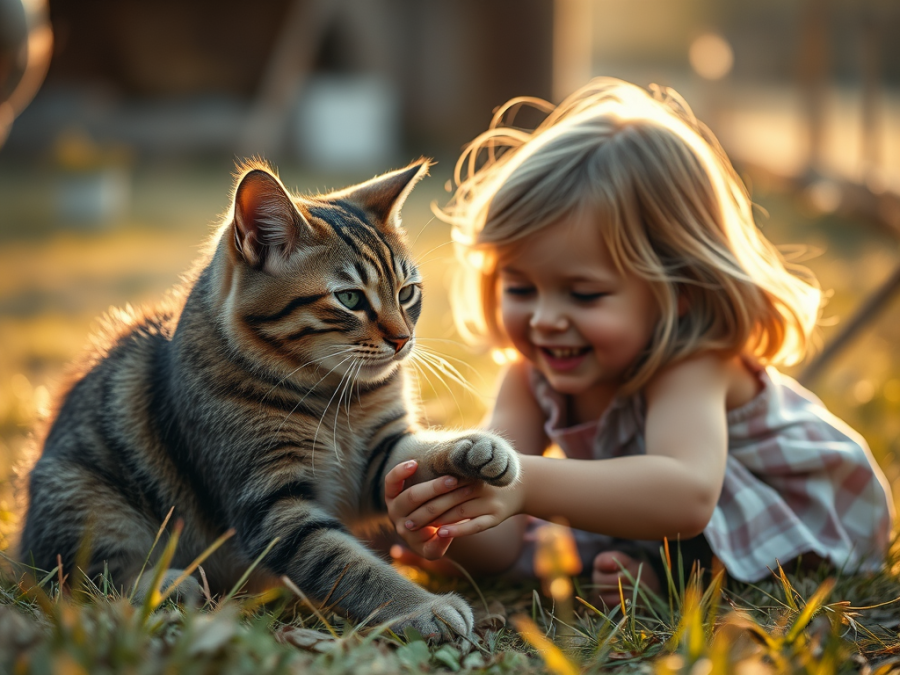
I don’t remember when Paul and I first met. Our parents had been friends for years, so it was as if he had always been there. Paul’s dad would tease us that we’d been playing together since we were in diapers. Neither Paul nor I remembers those days. However, I can picture little Paul and little Diane playing in a sandbox with droopy cloth diapers.

We grew up in different towns, so we mostly saw each other every summer at youth camp and then again at family camp, both held at Indian Lake Nazarene Camp in Vicksburg, Michigan. Besides those events, there were other times we’d get together, like weddings and funerals, visiting missionaries, traveling gospel singing teams, and other special speakers for which the Nazarene community at large would gather regularly.

Even without seeing each other for months, Paul and I were like magnets at these events. It took no time for us to find each other and reconnect. It was just one of those expected things. No one said anything about it. It was just understood.

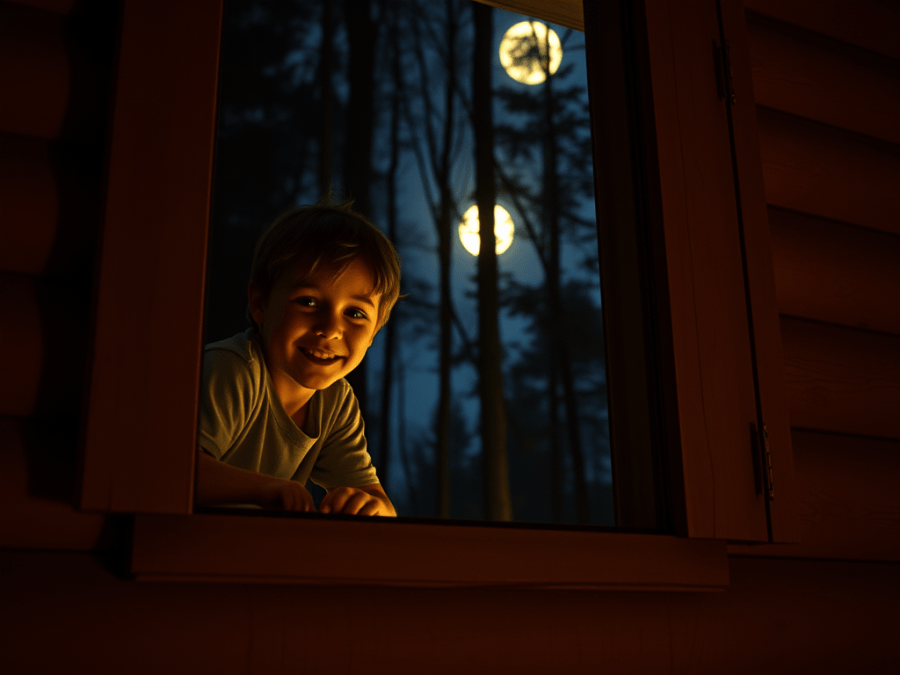
Paul was an adventurous boy who was always looking to have fun. At youth camp one summer, he sneaked up to my cabin window after lights out and convinced me and my cabin mates to crawl out of the window and join him and his cabin mates in a game of hide and seek in the moonlit woods. It was the best night ever!

One I will always remember as being exciting, spooky, and just a little bit naughty. We didn’t do anything wrong, but there’s something exhilarating about being where you’re not supposed to be when you’re not supposed to be there. That was Paul’s MO. Always pushing the limits. Not a bad boy, but a good boy who pushed the limits.

The fun ended when we were caught, hauled into the camp director’s office, and reprimanded. I didn’t like getting in trouble, so I tried avoiding Paul and his antics for a while after that. This never worked for long since Paul Anderson was not a boy who could be ignored.

The summer of 1972 was the year I got to know Paul best. I was 14 years old, and Paul was 15. His dad had just accepted the pastorate at the New Lothrop Church of the Nazarene, my home church, and his mom had already been battling cancer for a few years and was not doing well. Things were rough, but the church gathered to support them, and the Anderson family quickly became part of our small community.

Paul’s love for life and people was contagious. He lived in the present and always wore a goofy grin.

His dad, however, didn’t always appreciate Paul’s happy-go-lucky attitude. Rev. Anderson would frequently chastise him for not taking things seriously enough. But Paul wasn’t blind to the harsh realities of life – he just chose to live above them.

Since Mrs. Anderson was too ill to manage two young girls, ages 7 and 3, my mom cared for Kendra and Karla during the day while Rev. Anderson worked at the church. My Aunt Maxine and Uncle Paul, who lived next door to us on our grandparents’ farm, opened their home to Paul whenever he needed a place to stay.

There was always something to do. Paul would help my Uncle Paul in his workshop. My uncle told Paul he had a good name, and Paul got a kick out of that.

Paul and I took full advantage of the acreage at our disposal. We would take long walks down to the woods or crawl up into the barn’s hayloft and talk for hours. We’d listen to our favorite songs on the radio and dream about all the wonderful adventures life had yet to unfold. Paul fit right into our family, and we soon became best friends.

I was quiet and shy, and he was outgoing and adventurous. Together, we made quite the pair. He gave me the courage to try new things, and I calmed him. We were good for each other and became inseparable at school and at home.

Once fall arrived and school began, we fell into a comfortable routine. My mom continued to care for Kendra and Karla during the day. With Kendra now in school, the bus would drop her off at our house while I would walk home with Paul to the parsonage in town.

Walking into the back door of the parsonage, we’d find Mrs. Anderson either resting on the family room couch or sitting at the kitchen table. Regardless of her position, she always welcomed us with a big smile. The pretty scarf around her head contrasted sharply with the dark rings surrounding her big brown eyes. But the sad, worn look disappeared when she smiled, showing how happy she was to see us. She was warm and inviting, and I loved being in her presence.

Paul and I would help with the never-ending household tasks such as laundry, washing dishes, and sweeping the floor. But with Paul, most tasks became a game, and we would either end up wet, making a mess, or both. Mrs. Anderson never complained. Our silly antics entertained her, bringing joy into her otherwise pain-filled life.

I had never witnessed death firsthand, so I didn’t see Mrs. Anderson as dying. I saw her as a sweet lady who was frail and needed our help. Paul, on the other hand, knew the full extent of her illness but chose to look past it. Therefore, those afternoons together were never somber. They were filled with life, love, and fun.

Making dinner on most nights consisted of tossing a frozen pizza or other cardboard-covered entree into the oven. Apparently, that’s all the cooking skills Paul and I had at the time.

After taking care of dinner, we would sit on the family room couch and tackle homework until Rev. Anderson came home. That’s when the merriment would conclude, and real life would again set in. My mom would soon drop off Kendra and Karla at the parsonage and take me home.

At first, Paul tried to make his Sophomore year in high school as normal as possible. He tried out for football and was the only Sophomore allowed on the Varsity team. He made up for his less-than-bulky frame with extra heart. Coach told him to tone it down and tackle smarter, or he would get hurt.

Paul learned fast and quickly found his place on the team. Until the day he regretfully had to drop out because his mom’s condition was worsening, and he was needed at home. That broke his heart. He never even got to play in their first game.

As the year progressed and winter began, Mrs. Anderson was in and out of the hospital. During those weekends, Paul would stay with my aunt and uncle. We spent countless hours snowmobiling all over the farm with Uncle Paul, my dad, and my brother. One day, my Uncle Paul came home with the hood of an old car and hooked it up behind his snowmobile so we could ride on it. I can still see that hood, wildly, and probably dangerously, swinging from side to side as it was towed over the rough cornfields. We never wore helmets in those days. Never thought of it. Not even sure they existed. But somehow, we survived with only a few cuts and bruises, and enough memories to last a lifetime.

Paul and I would frequently seek out quiet places to sit and talk. We were comfortable in each other’s presence, finding a safe place to confide. Paul told me of his dream of becoming a surgeon. I told him he had the hands for it with his long, slender fingers. He’d laugh and say he had girly hands, but there was nothing feminine about them. They were capable hands, made to perform precise and delicate surgeries. And it felt really good when he wrapped those long fingers around mine.

I remember sitting in church together, about 6 inches between us, which was the acceptable space between a young man and a young woman. Our fingers were interlocked between our two bodies as we held hands. We thought we were sly, hiding it from his dad in the pulpit. Looking back, I’m sure Rev. Anderson knew what we were doing but never said anything about it.

I remember Paul telling me his dad had “the talk” with him about respecting young women. So, between his dad and my dad, I’m sure Paul was too afraid to get out of line. This was a good thing because sexual feelings didn’t sidetrack us. We found freedom in our innocence.

We could truly be ourselves and share ourselves without adding stuff kids our age shouldn’t have to deal with. We opened our hearts while mutual respect threaded its way throughout our interactions. This gave us the courage to experience the unknown together. And life was throwing more of the unknown at us every passing day.

Paul got his class ring and took it to the hospital to show his mom. She oohed and aahed over it as if it were the most beautiful piece of jewelry she had ever seen. Paul found out later that because of the tumors pressing up against the back of her eyes, she couldn’t see it at all.

Christmas and my 15th birthday came and went without hardly a notice. But I vividly remember the congregation gathering on a cold, snowy winter’s evening in the church sanctuary to hold a special prayer service for Mrs. Anderson. I can still hear the petitions and wails echoing from the tall ceiling as everyone beseeched God for his mercy and healing power. Most of us were crying, desperately trying to understand how such a lovely woman could be dying from such a horrendous disease and how such a beautiful family could be mercilessly torn apart.

But our prayers went unanswered, and in February 1973, Betty Anderson passed into eternity.

That day changed everything.

My parents would not allow me to attend her funeral in their desperate attempt to protect my tender heart. But my dear friends were grieving, and I was not there to comfort them. I will always regret that.

It was during this time that Paul broke up with me. He told me his dad told him he needed to focus on his family instead of a girlfriend. They were moving, and he couldn’t sustain a long-distance relationship. I was confused because I always got the impression Rev. Anderson liked me. So, to find out he insisted Paul break up with me, hurt. And I spent the next forty-five years resentful.

Not able to face all the heartache and memories New Lothrop held, Rev. Anderson indeed packed up the family and moved away shortly after Easter that spring. I never heard from them again.

Looking back, I’m sure my parents knew where they had gone. But in an attempt to help my broken heart heal, they withheld the information from me, thinking I could get over it better if I were not reminded of what I had lost. I appreciate their attempts to protect me, but this made the loss all the greater, for, from my perspective, the Anderson family had fallen off the edge of the earth, never to be seen or heard from again. My parents stole from me what little comfort I could have found in knowing where my friends were and how they were doing.

These events changed my whole family. My parents left the Nazarene church, stopped attending camp and other Nazarene events, and started attending a Baptist church in the next town. My world literally turned upside down as I lost everything. As a result, my identity suffered in a way I think few could comprehend, sending me into a spiral of bad choices in an attempt to fill the ugly void that consumed me. We were each reeling from our loss, desperately trying to regain footing in the foreign world we found ourselves in. But we should have been able to do that together, not all alone, each on a separate desperate journey.

Forty-five years later, after hearing my story, my best friend Pam embarked on a one-woman quest to find Paul and his sisters. She succeeded in a remarkably short period of time. Pam found Karla on Facebook and private-messaged her. Things snowballed from there. Karla contacted me, as did April, Kendra, and Paul. One by one, we reconnected.

Paul’s first words to me during our first phone call were, “Hey, you, it’s been a long time!” His voice was gravellier than before, but it was still the same voice—the same boy.

My newfound relationships with Paul, April, Karla, and Kendra continued for almost two years. Except for Kendra, the girls and I even got together for dinner at my house. That reunion was surreal. Karla, who had been 3 years old the last time I saw her, was now a 47-year-old mother. When I saw her last, Kendra, a 7-year-old, was now a 52-year-old mother and grandmother.

April, Paul’s daughter, took my breath away. She was a vision of loveliness with so many of her dad’s features. I couldn’t help but stare and grieve at the same time: stare at her beauty, but grieve for her father, who was not there. And then there was precious little Kylah, who was her grandpa’s pride and joy and, without a doubt, embodied her grandpa’s vivacious spirit.

All was perfect that night, except for Paul’s absence. He could not make it up from Florida, although his heart swelled with pride that his girls and I, after so many years, had finally found each other.

During those two years, conversations between Paul and me took off exactly where they had left off forty-five years previously. Of course, there was much catching up to do—marriages, children, careers, divorces, experiences, lessons learned, regrets … but they soon settled down to connections of the heart. We had an openness and honesty with each other, which is rare. It was built on history, trust, and respect.

In one conversation, when I shared how I thought he could handle a situation better, Paul said, “You know I’m smiling from ear to ear. Even when you get after me, you make me smile.”

In another conversation, I said I was fine when Paul asked how I was. He said, “No, you’re not. I can hear it in your voice. Tell me what’s wrong.” I then broke down crying and told him my daughter-in-law had just been diagnosed with breast cancer. The best of Paul came out, and he engulfed me in tender-hearted compassion. I almost felt his hug over the phone. He listened, and he cared. And that’s all I needed at that moment.

We both smiled a lot during that time. We were confidants and true friends in the deepest sense. We confided, vented, cried, encouraged, and laughed—and confessed.

Paul confessed that his dad never told him to break up with me. Paul decided to end things because, in his words, “It hurt too much to love and lose, so I thought it would be better not to love at all.” I immediately repented of holding a grudge against his dad all those years. And, as much as I wanted to understand why Paul did what he did, I couldn’t agree with him. I would much rather love and lose than never love at all.

He also confessed that instead of dropping off the face of the earth as I had imagined, they had merely moved an hour away to St. Johns, Michigan, where his dad had accepted the pastorate. I couldn’t believe it. All those years and only an hour away! Yet, he never contacted me. He let me die along with his mother.

Paul had other regrets. He regretted choosing a self-destructive path while living in St. Johns after his mother died. He regretted letting his dream of being a surgeon die with her. He regretted not raising his children in the church. And he regretted not being there for them when they needed him most.

But over the past two years, I’ve seen Paul’s faith renewed. I’ve seen him accept God’s forgiveness and come to the point where he could forgive himself.

He renewed his interest in making his life count. Despite challenging circumstances, he found a way to reclaim his old passion for helping people.

Even though becoming a surgeon was no longer an option, he made his mark by encouraging fellow patients in his oncologist’s office. He was the guy at Walmart who would make fussy kids laugh, bringing a look of gratitude to tired mothers’ faces. He was the best of Paul, once again, full of compassion and empathy, giving people hope.

Paul loved life and people. He told me more than once, “I’m not afraid to die. I just really want to live.”

Paul desperately wanted to move back to Michigan to be close to his daughter, granddaughter, and sisters. But that never happened. The external forces that bound him proved stronger than his internal desire for change, and I didn’t understand that. I thought it was within his power to make it happen if he had wanted it badly enough. But I don’t have the right to judge. He had stage 4 cancer, and it drained the life out of him.

At that point, his strength was more depleted than he let on during our phone conversations. He seemed so alive during those calls that I thought he could make anything happen. But, looking back, I think I was wrong. Circumstances had weakened him to the point that he had little fight left other than what he could temporarily summon when talking to those he loved. What hurts the most is seeing a vibrant boy with so much promise dissolve into a sick old man who figured life out too late.

Paul and I were never able to share that big hug we promised each other. But we did spend countless hours on the phone, connecting on a level deeper than physical touch ever could.

I have a hard time believing Paul is gone. His number is still in my phone contact list, and I half expect to see his name light up on my screen at any moment. But his name is silent.

I will always miss Paul. He is a part of me. I will always treasure the moments we shared together. But we served the same God and shared the same faith, so I know I will see him again.

I never got to say goodbye to Paul. He was in such high spirits during our last phone conversation, due to April and Kendra’s visit, that goodbye didn’t seem appropriate.

His last words to me were, “I’ll call you tomorrow night.”

My last words to him were, “I’d like that.”

I can imagine the next time Paul and I see each other. He’ll say something goofy like, “Tomorrow night took a long time, but here I am!”

When I think of Paul, I smile. That’s who Paul was. That’s what Paul did. Paul made you smile.

What Animals Teach Us About Love – It’s Not What You Think

I step onto my back deck with nothing covering my yoga pants and T-shirt except a hoodie, Croc slippers, and work gloves. I have a familial aversion to clothing. My children and grandchildren have inherited the same quirk. I blame this propensity on us being born and raised in Michigan instead of a tropical island surrounded by sun, surf, and sand as we should have been.

It’s a mild winter day, according to anyone’s definition—a welcomed relief after three consecutive snow storms. With temps in the mid-30s, the sun peaks around the ever-present clouds that haunt mid-Michigan in December. The wind is mild, I note, as melting snow squeezes through the holes in my Croc slippers. And yet, this is my footwear of choice, and I make no apologies.

I spot Hershey, my black cat. He is so named because I’m as addicted to chocolate as I am to this demanding fellow. After running to greet me, he claws my yoga pants, insisting I pick him up. I dutifully comply. This cat has inflicted more scratches on my body than all the rest of the feline population on the farm combined. He’s a fierce lover. If he were a man, I’d categorize him as a toxic boyfriend with no husband potential whatsoever.

And yet, I pick him up and cuddle him close. Next to my hoodie, that is, because every time Hershey touches my skin, he gives me poison ivy. So I love him with a layer of fleece between us. He pushes past the fabric and snuggles into my neck, licking my chin. I sigh as I realize this slip will undoubtedly result in a red, scratchy rash by morning. I cuddle him just the same. That’s what love does to a person. All good intentions fly out the window when you’re under its spell.

“What do you do for me, Hershey?” I tease. “I feed you, give you fresh water, and provide you a warm home. And yet, what do you give me? Isn’t love supposed to go both ways?”

He purrs in response, and even though his reply sounds convincing, I know there are no promises behind it. He will undoubtedly leave me. His propensity to cross the road guarantees that. He has no loyalty to me. The call of the wild is too great, and someday, this call will cause his death. One day, Hershey will be unable to cheat the Grim Reaper again. His nine lives will run out as a passing car or truck steals his life.

I’ve been through this twice before. I see the writing on the wall. Eventually, Hershey will go, leaving me heartbroken.

And yet, today, at this moment, I choose to love him. Not because of what he gives me. Not because of any assigned value I attach to the feelings he stirs within me. But, simply because I like being with him.

I carry Hershey over to the wood boiler, scratching his ears and chin just as he wants. He boldly maneuvers his head so my gloved fingers hit the magic spots.

Today, the boiler fan is running, which is a good thing. It has allowed the house temperature to reach 74. It’s about time. Earlier this week, when the daytime high barely reached 20, the fan refused to turn on. This caused what could have been a blazing fire to merely smolder. On those days, my propane furnace turns on out of necessity. It’s expensive to heat with wood and propane simultaneously. I really need to get this fixed.

Hershey jumps from my arms, and I toss half a dozen split logs into the boiler. As the flames consume the dry wood, I hear my two miniature Nubian goats calling. I open the barn door as Sophie runs to the gate separating us. She sticks her head out for me to give her head, her neck, and beneath her chin a thorough rubbing. She lets me know when she’s had enough. I’m not allowed to stop until she does.

Lu-Lu eyes me suspiciously from across the pen. She slowly approaches and nudges my hand. Finding no treat, she saunters away. Lu-Lu has no desire for loving. Food is her only motivation.

I see a correlation between goats and narcissism. They exist for their own pleasure, and I exist for their pleasure. There is no “we” as far as they are concerned. While my romantic notions may convince me they love me as much as I love them, they do not.

The truth is, these goats have done everything they can to make me stop loving them. They use me for what they can get, then abandon me when they have gotten what they want. They don’t listen. Rather, they don’t obey. I’m sure their hearing is just fine.

They unlatch the inner barn door with their lips and hop into the main part of the barn, poop marking their journey. They don’t even try to hide their misdeeds. They don’t care enough to be ashamed.

They hop into the hay loft, tumbling the bales from their stack and scattering disheveled hay everywhere. Then they poop on that, too.

They escape under the fence whenever they find the grass on the other side more tempting. I’m confident the phrase, “The grass is greener on the other side of the fence,” was first spoken by a goat. If they can’t crawl under a fence, they’ll knock it down. No fouls exist in their playbook.

They go out into the road and expect traffic to stop for them.

They eat my flowers and ornamental bushes and fruit trees.

There is nothing they won’t do if an idea pops into their heads. All challenges accepted. And when I slap their behinds with my work gloves, they have the nerve to look offended.

I ask myself why I keep them. The only answer I can come up with is that I just like being around them. When I work in the yard or the barn I enjoy their company. Somehow, their sauntering movements relax me. My affection is not tied to what they do for me or how they make me feel. I simply love them for who they are.

Can the same be said for humans?

When we love a person, what do we typically say?

“I love how he completes me.”

Okay. He completes you, and that’s what you love about him. But what would happen if he stopped completing you? Would you then stop loving him?

“I love him because he’s everything I’ve ever wanted in a man.”

Okay. What if he stops being everything you want in a man? Is there anything to love about him if he stops being everything you want?

These questions were brought to me today in a podcast entitled “Everything They Told Us About Love Was Not True” by Rabbi Manis Friedman. They challenged my thinking. My thoughts went to my animals and I quickly realized I don’t love them for what they add to my life. They are clearly takers, not givers. I keep them because I simply like having them around.

Rabbi Friedman spoke about the failure of marriages to survive the test of time. He claims that love in and of itself is not a good reason to get married since it’s as easy to fall out of love as it is to fall into love. He challenges us to love the person, not what they do for us nor what we get out of the relationship. His reasoning is that if our feelings of love are based on what a person does for us and that person stops doing what we love them doing, then we could potentially stop loving them – as if the act, service, or feeling is more important than the person.

Rabbi Friedman thinks if we love a person regardless of what they give, we can continue loving them even if they stop giving. This is the basis of true love: to love a person regardless of whatever might or might not come along with them.

If I ever remarry, I hope to feel this way. That his presence is the real gift and the sole goal.

This is true for my children and grandchildren. I have often said there is nothing they can do to make me love them more; likewise, there is nothing they can do to make me love them less.

But sometimes, with a mate, we have different rules. We have expectations, and consequences will follow if those expectations aren’t met. What makes things even more complicated is if the expectations change over time. Or if we were certain something was a promise and turned out to be an “if I can” or “if it works out.” (As always, I am not talking about abusive relationships. Those cases call for different rules. I’m speaking about healthy relationships between basically healthy individuals.)

So, if I love someone for what I get out of the relationship, which do I love more? The person or the benefits of the relationship?

You could argue that my animals entertain me, and that is, in and of itself, giving me something. My response is that whatever joy I get from my animals is self-generated. It comes from me, not from them.

I enjoy watching the kittens frolic. They are not putting on a show for my amusement. They are simply having fun for their own benefit. Whatever pleasure I find in watching them comes from me, not them.

When my goats come running as soon as they spot me, it’s easy to interpret that as love. Just like when a child hears her daddy come in the door and she runs to greet him. The child loves her daddy just as her daddy loves her. The feeling is mutual. Human beings may be complex, but animals aren’t.

Animals just want what they are conditioned to expect. My goats come running, not because they love me, but because they hope I have treats in my pocket. It’s self-serving. It isn’t about me. It’s all about them. Therefore, I continue to contend that my animals give me nothing.

Could the same be true for our mates? Is this what Rabbi Friedman was trying to get across? Was he saying that love for our husband or wife should be self-generated? Was he implying it shouldn’t be based on what they do, say, or inadvertently give us? That those things are secondary, not primary?

This attitude would simplify things. If I love my husband for being a provider, but he falls off a ladder while fixing a roof leak, breaking both of his legs, losing his job, and therefore no longer able to provide, does that mean I no longer love him? It goes to reason that if I love him simply for his ability to provide and then he loses this ability, then my love would end. That would require me to either find another reason to love him or I would need to love him simply for being him. The latter is self-generated love. A perceived value I find within myself and then place on him.

This is the type of love God has for us. We can do nothing to earn his love, and once we have been redeemed by His Son Jesus, there is nothing we can do to separate ourselves from it. God’s love is self-generated. It originates from Him.

So, where do we go from here? What conclusions are we to draw?

First of all, I’m keeping my animals. Even though they do not earn their keep, I find value and entertainment in their presence. Therefore, they stay.

I’ll keep my kids and grandkids, too. They are better at earning their keep than the animals, but even then, I cannot depend on them to bring my life meaning and purpose. My happiness and self-worth are not dependent on them, nor should they be. That’s too heavy a burden for anyone to bear. Love for myself and my family needs to be self-generated and self-sustained. I’m responsible for myself, for what I see in the world, and for what I give back to the world.

As for a future husband? Who knows. But if someone special is to come into my life, I want it to be with a man who desires my presence more than anything I could give him. I’m too old for games. I want real and authentic, with a smattering of boldness and vulnerability. I want a man who I simply love to be with.

And who is willing to put up with demanding cats and narcissistic goats. That would be the cherry on top.

I Can Relate to Mrs. Lot

Lot’s wife has taken a lot of criticism over the years. You know, for daring to look back as she and her husband were fleeing Sodom and Gomorrah as it was being destroyed.

But, I can relate to this woman. I’m sure she had a good reason for looking back. She probably just finished remodeling her kitchen. The one she had been nagging Lot about for the past 20 years. After all that time he recently conceded and she finally got the kitchen of her dreams. And now he says they have to go? Is he crazy? After all she went through to get this lovely new kitchen?

Did he even have the faintest idea what an ordeal this remodel was? First on the list involved finding a structural engineer who would make sure the current foundation could support the massive island she envisioned. Then locating a qualified contractor, one with good references who actually completed projects on budget and on time. That was just the beginning. Then came hours of reviewing popular kitchen layouts and don’t forget, flooring options. Should she go with tried and true ceramic tile? Or, with less expensive porcelain tile? Maybe brick or natural stone? Solid wood or engineered hardwood or laminate or fairly new on the scene but more affordable, Luxury Vinyl Plank?

Then onto choosing the paint. Do you know how many variations of white there are? How is one to decide? Hundreds of shades of neutrals just about did her in. Lot, too. He had wanted nothing to do with choosing paint colors. Just like a man. Leave all the important decisions to her. When she was already overloaded with options! But, one by one she made her choices. And despite months of living in the chaotic mess of construction, the project was finally completed. The result was astonishing. She was beyond happy! And now she’s supposed to simply walk away?

Sure, the neighbor’s lifestyle was questionable. All the more reason to make their home a sanctuary. A safe place from all the violence and debauchery of the city. But, not to leave it!

Yeah, I get this woman. I apologize for butchering the biblical account as told in Genesis but please hear me out. Many things could have prompted Lot’s wife to turn around as they were fleeing the wickedness of the city. But I have to believe, as a woman, there had to be something there that she thought she would miss. Something that would be hard to let go of. Something that she perhaps thought she couldn’t live without. The fact that she was turned into a pillar of salt convinces me that something she was leaving behind must have owned her heart.

I live in a 130-year-old Victorian Farmhouse in need of restoration from the original stone foundation to the metal sheeted gable ends. And I struggle with being financially responsible with my resources. Which isn’t much. Where should I put my money? In material things that will bring temporal happiness or in loftier pursuits such as investing in God’s kingdom?

Big decisions, hard choices. Right now my money is going into making the house safe and functional which, unfortunately, does not include anything cosmetic. So, for now anyway, I’m stuck with 1960’s paneled walls, mobile home drop ceilings, and cracked vinyl peal ‘n stick squares on the floor.

Just like Mrs. Lot, I have big dreams. When I close my eyes, I vividly envision my dream home in all its splendid glory!

But, what if I had to leave it? Would it tear me apart? Would I grieve it like a lost lover? Would my purpose for living cease to exist?

Questions such as these bring us to the core of our existence. Why are we here and what really matters? At the end of my life, what will I look back on? Will I be proud of my decisions or will I have regrets? Probably a mixture of both.

I recently attended two memorial services only seven weeks apart. A husband and wife who had shared married life for 65 years. What struck me was all the accolades they received from friends and neighbors who had known them for decades. The reoccurring theme? Self-less, giving, always there for those in need, always offering a meal or a place to stay, foster care parents, youth group leaders, and the list goes on. The husband was repeatedly quoted as saying, “God always provides.” Now, before you think too highly of this couple, they were human beings like the rest of us with flaws, inconsistencies, and dichotomies. While appearing almost saintly to others, the uglier, more demanding, more unreasonable side tended to come out to those who knew them best, their children.

But, beyond all of this, what really hit me was the fact that their 100-year-old house was greatly in need of repair. Or, destruction. I, as a lover of all things historic, actually thought the kindest thing to do to the old structure was to tear it down. I have never said this about an old house before. As far as I’m concerned, anything can be saved if you have enough money. This house was my first exception.

“How,” I wondered, “did God provide when you couldn’t even afford necessary repairs to your own house? The home you raised your children in and shared with those in need? How is that a good example of God’s provision?”

Taken a step further, is this the type of sacrifice God demands of me? Am I expected to let my house deteriorate down to ruin while I give to help others?

Adam and Eve probably knew God the best. Before the fall, they daily walked the garden with God. Noah knew God, too. In fact, at the time of the flood, Noah and his family were the only ones on earth who were righteous. Somehow between Adam and Noah, pagan cultures grew while first-hand knowledge of God dissipated.

In Shane Willard’s YouTube podcast entitled, Understand the Entire Bible Story in 30 Minutes, he speaks of these pagan cultures. He says that pagan man’s first understanding of God was that he was up in the sky. People saw the sun and how plants and animals thrived when the sun shined, therefore concluded the sun must be God. Then they saw the moon and how its orbit created cycles, linking it even to women’s menstrual cycles, so they thought the moon was the god of fertility. And they saw the direct link between rain and how bountiful rain made the earth so they figured that if the gods were happy, they would send rain. If they were unhappy, then they’d withhold it. So their next thought was, how do we make the gods happy? What do we have to do to gain their favor? Exactly what and how much do they demand? And, how much, if ever, is enough?

The pagan custom of the day was to cut yourself to appease the gods. But then the question was, how much cutting would it take to make the gods happy? No one knew the answer to that. One thought was to keep cutting until it rained.

The second pagan custom of the day was to sacrifice your children, primarily the firstborn. But then again, what were the rules? How was this to be done and when was enough? No one knew the answer. Without YouTube videos to turn to, they simply guessed.

Throughout history, man has been trying to find God and figure out how to procure his blessing. What we fail to realize is that God took the first step toward us. We didn’t find him, he sought us out. We just need to decide if we’re going to respond to him or not. (Romans 5)

In this podcast, Shane Willard goes on to say that God remains the same but our understanding of him has grown through the ages. The more we get to know him, the more he reveals to us and the more he reveals to us, the nicer he seems. So, in many ways, it appears as if God has changed but he hasn’t. He comes down to our level and speaks to our understanding, regardless of the time or culture we live in.

God’s continued revelation throughout history has shown us that he is not the sun, but the creator of the sun; not the moon, but the creator of the moon. Unlike the ancient Sumerians of Lot’s day, we know that God derives no pleasure from us cutting ourselves or sacrificing our children. But we still grapple with, how do we as created beings get on the good side of God? What does he really want from us? How can we ensure his blessing?

Maybe we’re sidetracked with the wrong questions. Instead, maybe we should be asking, what’s standing in the way of me truly knowing God? How can I experience more of him? What depths of his character have I never seen? What would life look like if every step I took was alongside him?

God doesn’t want my money or my things. He doesn’t need anything from me. He’s the creator and sustainer of all creation, therefore there is nothing I can add to him nor give him to improve his state of being.

I’m convinced very few things in this world are wrong for me to use and enjoy. In fact, I believe God shares in my joys as well as in my sorrows. But when things become more important to me than he is? Then I have a problem.

So, this is where Mrs. Lot and I part ways. I can only speculate what caused her to look back. And I know myself well enough to know what would be the hardest for me to give up if I had to. But I need to be willing to do so. I need to open my grimy little hands, let whatever it is slip between my fingers and out of my grasp, and look to God as my future.

A long time ago I heard this saying and I’ve adopted it as my mantra ever since. “Enjoy everything but be attached to nothing.”

God doesn’t want my things. But if they stand between us, if I’m more attached to them than I am to him, then he may ask me to let them go. Because unlike me, God doesn’t settle. Second best isn’t enough. God wants all of me and he wants me to experience all of him. Not out of greed, but out of love and kindness. He knows what I’m truly longing for. He knows what will fill that gap in my soul. And that is, more of him.

Saying Goodbye Never Gets Easier

Yesterday morning in the peaceful pre-dawn hours as I was lying in bed thinking about my upcoming day, I heard a car speeding by followed by a thump. My heart sank. I hoped for the best … one less opossum, woodchuck, skunk, or raccoon to deal with. Still in my pajamas, I ran outside where my worst fears were confirmed. Instead of a varmint, another beloved pet was killed. He was one of a set of twins. Now Skittles, Snicker’s sister, is left to manage without the one she shared the womb with and has never spent a day without, just as Hershey faced this spring when his brother Oreo was killed on the same road. Farm life is a paradox. The best of the best and the worst of the worst.

As my stomach rolled at the sight of another dead animal, out of respect for my beloved Snickers, I could not leave his body to be hit again. So, I put on my big girl panties and arranged to take care of his body. As I stood on the side of the road, a shovel in one hand and a trash bag in the other, my sanitation guys drove up. It didn’t take them long to figure out what was happening. Old lady crying, shovel in hand, dead cat in the road. The driver jumped out of the cab and said with compassion, “Would you like us to take care of him?” Unable to form words, I shook my head yes. The man in the back gently scooped up Snicker’s still limp body and put him in the truck. Then he came around and gave me a big hug, telling me how sorry he was.

Death is a part of life that I’m still having to learn to deal with. But the kindness of two strangers comforted me more than I can say. Bad things happen. But, good people still exist!

Do You Receive Christmas Letters?

You know what I’m talking about. Every family has one. The sister or cousin or grand-nephew who has it all.

“Merry Christmas and Happy New Year! This has been another blessed year for our family. We moved into our 50,000 square foot home located in a picturesque setting amidst virgin timber with full access to a pristine lake and walking distance to the ocean! And we’re only 10 minutes from the city! What a find. We also bought two new SUVs which were sorely needed.

Our eldest daughter, Princess, won the Miss America pageant and our eldest son, Champ, was accepted into not one, but three ivy league schools with full scholarships! Our middle daughter, Providence, won the robotic championship in the US and is a favored competitor for the world championship next year. Our youngest son Chip, at four-years-old, is well on his way to being a world champion chess player. I could go on, but of course, humility prevents me from bragging.”

Yeah. Where’s the waste basket? I’m either going to puke or put this letter where it belongs. Maybe both. And you know which one will come first.

If I were to write a Christmas letter to family and friends, it would more likely read like this:

“Merry Christmas and Happy New Year! I’m still living in my 19-year-old mobile home and was not able to do the repairs and maintenance I was hoping to do this year. My only vehicle, a 23-years-old truck, is chugging away. In between expensive repairs, that is.

My children seek me out regularly. When they want a babysitter. And the grand kids love me. As long as the cookie jar is full. If not I get an, “Oh, no! No cookies!” from my two-year-old grandson.

I lived to write another blog post that no one will read. Seriously. My readership is zero. My only response was a “Like” from my daughter-in-law when I posted it on Facebook. And I’m not even sure she read it.

But, hey, life is great! Wishing you and yours a wonderful year!”

This is not how I intended to begin this post. I was planning to say that I’ve noticed my writing follows the ups and downs of the circumstances of my life.

A few years ago when I worked in retail, a real “down” chapter in my life, I couldn’t type my observations fast enough. There was more to write about than I could find time. Since then I have gotten a good job that I love but ironically, I no longer have much to write about. That irony made me think of the informative yet often dreaded, Christmas letter. Over the past few years when things have been going well, what would my Christmas letter say?

“Merry Christmas and Happy New Year! I’m doing well. My job is meaningful and varied enough to keep it from becoming boring and I absolutely love my coworkers. Two of them are my sons! We work well together and have become a real team in a shared goal. I couldn’t ask for anything more.

My kids are healthy and successful and my grand kids are absolutely adorable. They are the light of my life. I get to spend as much time with them as I like, and yet I am still able to send them home when I want alone time. It’s a perfect arrangement.

Of course, I have challenges like we all do, but I’m grateful for what I have and I live each day to the fullest. Here’s wishing you and yours the best in the coming year!”

Is it over yet? Oh, good. All that happiness and good cheer nauseate me.

But why is that? Why is it when things are hard, I find an endless array of life lessons? But when things are good, my well is dry.

Both of the above potential Christmas letters are true, and yet the tone is totally different. In the first one, I concentrate on the bad things, and in the second, the good things. And, isn’t that life? We have both at the same time. On any given day I can describe to you in detail all the horrible things that are going on in my life. But I can also share the good things for which I’m so very thankful.

Seriously. Who actually lives a charmed life? (I don’t use this word with any implications of witchcraft, but merely as a word indicating a life that is too good to be true.) Underneath all that perfection there have to be flaws. Money alone won’t get you where you want to be. It certainly helps, but it alone isn’t enough. How about power? Influence? Fame?

Nope. Not enough. Those are cover-ups. You know the game. We’re told if we look the part then we become the part. But that’s a lie, just like many being flaunted these days. They aren’t new lies, by the way, just old ones with a new twist. And we fall for them hook, line, and sinker.

I was thinking about this yesterday while watching, The Man From Snowy River: The McGreggor Saga. You have a nice little community in the Outbacks of Australia where you find your typical residents. You have your hero, a rancher with morals and ethics who made his riches the honest way, a fellow rancher who made his riches by cheating, stealing, and any other method he deemed necessary to reach his goals, and a corrupt banker who does his best to appear impartial when he is in fact, anything but. And then you have the heroin, a widowed mother raising her son alone while she struggles to make a success out of the ranch her late husband left her.

When gold is discovered in the mountains, the plot thickens. A tsunami of people flood the area with get-rich-quick hopes and dreams. Among them are hardworking, honest families just trying to make a living with a handful of outlaws and scrupleless scoundrels who do anything to get ahead. Everything needed for a good drama.

And so the narrative unfolds. I watch this show and get frustrated. Things get so close to working out well. You have your hero who has taken a liking to the heroin, of course, but she’s leery of him, not fully trusting him. Again, of course. It can’t be too easy or we’d lose interest in watching, right? Then you have Bad Guy #1 who has also taken a liking to the heroin. Then you have Bad Guy #2 who just stirs the pot, creating misunderstandings among the other characters.

But it’s fun to watch, right? It’s compelling. We just have to see what happens next. As it unfolds, we say we knew that would happen all along. So, why do we watch it? Because it’s exciting! It pulls out the adrenaline that would be rushing through our veins if we were the one riding horseback on a dark stormy night seeking to find and rescue the heroin who has fallen off a cliff in the outback and would then, upon her rescue, fall into our arms and proclaim her undying love.

In the same way, even though I claim not to like drama in my life, I have to admit that drama brings a certain level of uncertainty, maybe even a hint of danger, that pulls me out of the mundane and into something challenging that needs to be overcome. It pulls out my inner hero.

There’s another show I recently started watching. Fire Country is a drama depicting California firefighters doing what they do best, facing and conquering formidable forest fires that are about to engulf human life and property. Ironically, the reality show called Cal Fires narrates the real lives of the men and women firefighters defending California. Which show do you think I’m most drawn to? You got it. I like the drama more than the reality show. Why?

Because it’s more exciting. There are stories behind the events that draw me in and keep me hooked. The reality show is much more realistic. It shows real people fighting real fires. Sure, they each have their own story going on in their personal lives, but it just isn’t as exciting. It’s real life. I live real life every day. I want something that draws me out of real life and into an exciting, extraordinary story where I can picture myself being that hero. Or, the heroin being rescued.

I think that’s why I have so much to write about when my life is not going well. Things not going well presents challenges that need to be overcome and I have to dig deep to find what is needed to persevere and conquer. It’s not fun like watching a TV show, but it does pump up the adrenaline and bring me out of the mundane.

When things are going well, there isn’t as much fodder to digest and subject material gets lean.

So, where am I going with this? I’m not sure. Maybe life wasn’t meant to be easy. Maybe we’re better people when faced with challenges that draw out the best in us.

I’m reminded of an earlier post I wrote entitled, “The Law of Big Cherries.” In it, I conclude that big cherries only look big when compared to smaller cranberries and blueberries. In the same way, maybe good only looks good when compared with bad. Maybe we need both to fully see the breadth and depth of life.

Maybe the need to overcome problems makes us real people exuding real character and brimming with real potential instead of robots who go through life performing the same duties and getting the same results. Maybe uncertainty and doubt are the kindling that ignites a fire in our souls. We see a need and we rise to the occasion. And we’re proud of ourselves for it.

That’s why gangs are formed, right? Because everyone needs a crew to protect and a cause to fight.

Maybe what we’re really looking for is accomplishment and satisfaction. Without conquering, there is no victory. Without victory, there is no satisfaction. Without satisfaction, we lose the desire to try again.

Maybe this is the reason hero stories abound in our society as well as in every culture around the world.

The end take here? Be a hero today. Not so you can write a glowing Christmas letter this winter impressing your family and friends, but be a hero in your own life, fighting battles only you can fight. Experience the satisfaction that comes from putting in the work and reaping the rewards. Make life better for you and those around you.

The world still needs heroes. The world needs you.

What’s the Deal With President’s Day?

Photo by Logan Weaver on Unsplash

I have never celebrated President’s Day. It was always just another day that came and went in an otherwise cold, snowy Michigan winter. But this year was different. My soul was restless and I was curious as to why.

I joined Father Frank Pavone’s President’s Day mass on the internet. His message included the familiar story of Cain and Able and how we are our brother’s keeper, even if we don’t want to be bothered with the task. Not in a controlling or enabling way which is unhealthy for both parties, but by holding people accountable and helping where true help is needed. But this story applies not only to us as private citizens, but also to our representatives in political office. They are elected not to profit themselves and promote their agendas, but to represent us, We The People; to protect our lives and our freedoms.

A charge in which way too many politicians across the isle are failing miserably.

In case it isn’t obvious enough, killing unborn children is not protecting life. Allowing rioters to kill shop owners while plundering and destroying their businesses (ironically, in the name of free speech), is not protecting life. Censoring and threatening those who disagree with them on social platforms is not protecting freedom. Taking away our choices and abilities to protect ourselves is not protecting freedom. And it’s time the American people wake up and see what’s truly going on.

Then I tuned in to Right Side Broadcasting’s coverage of over a thousand people gathering in West Palm Beach, Florida to celebrate. Not the thief who holds claim to the office, but celebrating President Trump, his indomitable character, his love for the American people, his respect for our republic, and for all his accomplishments during his term that breathed new life into a land and economy that had been stifled by previous administrations.

An airplane flew overhead with a banner fluttering behind proclaiming, “We love you President Trump! Happy President’s Day!”

I ask you, When has an American President ever been so loved? People came from all over the country from as far as California, Texas, and Ohio to show their support. Thousands of others, like me, were joining remotely. “Trump! Trump! Trump! Trump! Trump!” the crowd cheered.

Photo from Newsmax.com

In reply, President Trump reciprocated his love and respect for the American people with an unexpected drive-by. With the excitement of a five-year-old on Christmas morning, his face pressed to the car window, our rightful president smiled and waved joyously at his ever loyal constituents, the exchange showcasing the indomitable spirit of America.

Every age group, every sex, and every ethnicity were present. A fifteen-year-old girl who had more common sense than many adults. A nineteen-year-old boy who said he wanted his future children to grow up in Trump’s America; a man originally from Germany welcomed into our country as a legal immigrant; and a black man saying that President Trump was the first president ever to hug him.

I wish I could remember all the stories shared by those gathered. So many touching tributes, so many incredible people, all gathered together as one body, one spirit. A true family made up of every skin color imaginable. A kaleidoscope of diversity, united in one accord.

And it was in the midst of this joviality that I realized what my soul was searching for.

Anger? Not here. Racism? Not here. Violence? Not here. Lies and deception? Not here. Only peace, joyfulness, and celebration. The celebration of one people gathered to pay tribute to the man who brought them all together.

So, it is with a full heart that I wish each and every one of you a Happy President’s Day. Why?

Because I live in a country where an unlikely private citizen can be elected president! I celebrate because of this incredible man, President Donald J. Trump and for his service to his people. And I celebrate because our founding fathers who, although imperfect men, had incredible insight into a system of checks and balances that would secure the lives and freedoms of every American for all time. I celebrate my country and the freedoms I’m promised by our constitution; I celebrate that I was alive to witness the peace with other nations and a thriving economy brought about by President Trump’s policies; and I celebrate our constitution and the founding fathers’ role in framing it.

And yet, in the midst of my celebrating, I’m concerned. Threat to our lives and freedoms does not come from outside our borders. It comes from within. The only danger we face, the only thing that can conquer and destroy this nation and this people are those who we elect into office.

So, we must ask ourselves: Are those currently in office honest? Trustworthy? Law-abiding? Seekers of good and not harm? Do they serve and protect we the people? Or, their own bank accounts and agendas? Do they stand up straight and true for what is right? Or, do they cower before those they fear?

Difficult questions that demand an honest answer.

And so, I cry out to almighty God for mercy. May God forgive us for our ignorance in letting thieves take over the White House and shamelessly promote their one world agenda, one in which our republic would stand no more; one in which we would belong to and be controlled by the ruling few and life as we know it would be forever gone.

May God wake us up before it’s too late. And may he remove the blinders that cover our eyes, ears, and hearts so that we can once again clearly differentiate between lies and truth; evil and good.

May God still, even in this uncertain hour of our nation, guide, bless, protect, and heal the United States of America and her people, while we are yet “one Nation under God, indivisible, with liberty and justice for all.” (The Pledge of Allegiance of the United States of America)

To All My Family and Friends Who Take a Different Political Stance Than I Do

Photo by Joel Muniz on Unsplash

First of all, I love you. I always have and I always will. Blood and love are thicker than political candidates that come and go. Therefore, I want to remain friends on Facebook. I still want you in my life.

But there’s something we all need to understand. Censorship and bullying are wrong and they must stop.

I’m speaking specifically about those insulting and condescending comments and emoji often used to communicate disdain for differing opinions.

For some reason, the Left thinks freedom of speech is a great idea, for them. Not the Right.

They think freedom of religion is great. For them. Not for the Right.

I don’t know what it’s going to take to make this upside down world regain its footing, but what I do know is, censorship and bullying are destroying relationships.

I’m all for unity, but that means both sides being respectful, active listeners. It’s like two poles leaning up against each other. They stand as long as each pole is supporting its own weight. But once one pole succumbs to the weight of the other, they both topple. So it is with us. If one side is overbearing, beating down the other, they both lose, there is no unity, and the relationship collapses.

An extreme example of unity gone wrong is the recent rioting and looting scaring our cities. Violence and destruction are never acceptable ways of voicing frustration and anger. Those doing so take away from their own humanity, acting more like trapped animals than human beings with brains and common sense. Positive change will never happen when using senseless violence. Those doing so will never gain respect for themselves while destroying the lives and livelihoods of their neighbors and fellow citizens. It’s time for a new tactic.

Therefore I’m encouraging each of us to exemplify true unity by respecting each other’s right to exist and speak freely. Give and take; it goes both ways. Listen and learn. Be tolerant of each other’s opinions without collapsing under the other’s weighty views. This means, both sides freely voicing their point of view and be respected as human beings who have been given free thought and free speech by our Creator. But never, ever allow yourself to be bullied and silenced.

I’ve been trying to figure out how to hear and be heard on Facebook in a constructive way. It’s easy to become defensive and react to a comment or post that offends us. I’ve done this myself. But once I realized I could fling smart remarks and sarcasm as well as the next gal, I decided I needed to clean up my communication skills. So, I’ve set up the following ground rules for myself, specifically when posting on Facebook:

First of all, when some comment, pic, or post sets off that reaction in my brain that yells, “Retaliate! Get back! Put them in their place,” I stop and get the facts straight. Namely, regardless of what is being communicated, their opinion is worth listening to even if I adamantly disagree. Everyone has a right to free speech in this country. It is guaranteed by our constitution.

If I don’t like it, I will simply scroll down and not respond. I think that’s the polite thing to do. Let them have their say and move on. The same thing goes for my posts. If someone doesn’t like it, I ask that they respect my freedom of speech and move on. No comments needed. I do not post things to start a debate. Even though there is a time and place for debate, I don’t believe Facebook is it. I post to let you know what I think and where I’m coming from. If I do respond, because I’m truly trying to understand where you are coming from, then I’ll private message you. But even then I’m determined to keep it polite and respectful.

Therefore, I call out to all who agree with me and all those who don’t: For the sake of respect and finding common ground, lets stop the bullying and censorship. There are better ways to voice our views.

America Was Not Ready For Donald J. Trump

America was not ready for Donald J. Trump.

Photo from Unsplash (I’m trying to find the contributor)

Most of us weren’t happy with the political system. It seemed to be a machine running on its own accord. Little we did made a difference. Our constitution promised that those in political office were there to serve and protect the people, and yet it appeared as if they were there to serve and protect their own interests.

But, we are a first world nation, we would comfort ourselves, perhaps the greatest country ever!

Indeed. One built on freedom and equality for all … one in which peoples from around the world were scampering to enter, even if illegally.

Yes. We had little to complain about. Or, did we?

Big Pharma, Big Tech, Big Government, and a myriad of lobbyists took over the hallowed halls of the capital as more and more legislation was passed to serve and protect political interests. As a result, the American people were left in the wings to fend for themselves and merely fund such programs.

Then, in came Donald J. Trump, a successful businessman, not intimidated by anyone, not owing anyone, not bound by anyone. America was dumbfounded.

“Who is this guy?”

“What does he want?”

“What will he do?”

And fear set in. The status quo was challenged.

But that’s the beauty of Donald J. Trump. A man of integrity, honest to the core even if that means getting in your face and offending you.

He wants nothing from you. He doesn’t need you. He has his own sweet life and there is nothing you can give him that he doesn’t already have. He can’t be bought, he can’t be threatened. Simply stated, he does not need you and he does not fear you.

What’s more, he doesn’t play games and he doesn’t do politics. He simply gets the job done. And America prospered under his leadership, despite the pandemic and those who promoted mass fear to their own ends.

Yes, America has never seen the likes of President Donald J. Trump. He only wanted to give back. He wanted to set a globally secure foundation so that you and I could achieve success and prosper. Not be given snippets by Big Government (which ultimately come out of our own pockets), but the opportunity to create a life we wanted to live.

But America didn’t get it. Few people do. So, we allowed an administration to illegally gain access to the Oval Office, not because we think it’s right, but because we know no better. We’re used to bullies. We’re used to corruption getting its own way for its own purpose, while praising itself for its accomplishments.

No, America was not ready for the likes of Donald J. Trump and it did not want him.

Perhaps after all our rights and liberties have been stripped away and Big Government infiltrates every facet of our lives, when we are the laughing stock of the world, the favored child who was given so much yet squandered it all, then maybe this prodigal son we call America will be ready to repent of its sins and turn back to God as our only rightful King … then, perhaps, America will be ready for the likes of Donald J. Trump.

No, We’re Not Putting Easter Sprinkles on Christmas Cookies

I recently invited my 6-year-old grandson and my 4-year-old granddaughter to spend the weekend with me. I do this every winter. We spend the weekend together doing holiday-related activities. I love seeing Christmas through the eyes of children. It puts things into perspective. It pulls me away from the adult, concern-filled life I usually live in and helps me relish the moment. So, this weekend was as much for my sake as it was for theirs.

I had it all laid out in my mind weeks in advance. Their cheerful little faces as we made surprise homemade Christmas tree ornaments for their parents; their giggles as we read book after book of colorfully illustrated Christmas stories; their delight in dunking made-from-scratch Christmas cookies into milk; and their warm snuggles as we watched beloved Christmas movies together.

I had diligently planned ahead and had all the necessary ingredients and materials on hand. Everything was perfect. Anticipation was in the air as lively Christmas music played in the background. I was the perfect Grandma and this was going to be a Hallmark-worthy weekend.

Then reality hit. As Granddaughter asked if we could go to the library (which I knew she would), Grandson announced he didn’t want to go. First time ever. Go figure. We went anyway.

Later when I pulled out the ingredients to make our go-to sugar cookies, Grandson asked if we could make gingerbread men instead. After a quick rundown in my mind for necessary ingredients, I agreed. Being so well prepared, I knew my pantry held freshly purchased bottles of molasses along with plenty of cinnamon and nutmeg. So, that was an easy switch.

Feeling nostalgic, I asked him, “So, you remember the gingerbread men we made last year?” “No,” he answered simply. “I don’t remember making them before. I just want them.” So much for creating memories that last a lifetime.

As we were decorating our gingerbread men with simple white icing, Grandson asked if we could put coloring into the icing. “No,” I answered. “White icing looks better next to gingerbread. “Can we put these sprinkles on them?” he asked hopefully as he lifted a bottle of bright purple sprinkles out of my decorating basket. “No, we’re not putting Easter sprinkles on Christmas cookies.” Clearly, my grandson lacked essential indoctrination in proper seasonal color combinations. “At Christmas,” I instructed him, “we use red and green sprinkles. At Easter, we use pink and purple and yellow.” “I just like the colors,” he replied sadly.

The next day, what was supposed to be a handful of Christmas tree ornaments, ended up being one sad, lop-sided, good attempt. Which I ended up finishing myself because they lost interest. And once that one was finished, my grandson looked at it and said, “It doesn’t look very good.” Great. What was that? Strike three? Grandma isn’t batting very well this season!

The turning point was when half-way through reading our Christmas stories, Granddaughter asked if she could play video games on the tablet instead. That’s when I gave up. Out with expectations and in with reality. Fortunately, this ‘ol gal has learned to flow with the punches. Raising five children taught me that. I just forget sometimes and get so wrapped up in the pursuit of perfection that the spontaneity and fun are sucked right out. That’s what was happening here. I was shooting down what was real in lieu of a perceived ideal.

So I switched gears. This was no longer going to be a weekend of carefully laid out plans. We were going to do what we wanted and if we got very little accomplished, then that was fine. After all, this weekend was supposed to be about sharing experiences and having fun together. Betty Crocker and Martha Stewart might have shaken their heads in disappointment, but I was ok with that. Trying to be perfect is exhausting. So, I gave up perfection and took a nap. Seriously. I did. While the grandkids played on the tablet.

I’m reminded of Shauna Niequist’s book, “Present Over Perfect: Leaving Behind Frantic For a Simpler, More Soulful Way of Living.” This has become my mantra since reading it a few years ago.

Looking back, I regret not letting my grandson put colored icing and Easter sprinkles on his gingerbread men. I knew better than to stunt creativity in lieu of what some unknown authority has deemed as proper. The next time I saw him, I apologized. He smiled and said, “That’s okay, Grandma.”

Hopefully, I’ve learned my lesson. Next winter when my precious grandchildren come over for the weekend, I fully intend for my decorating basket to be fair game for whatever their imaginations envision. And, this spring when I have them over to make Easter cookies, I might even suggest we put Christmas sprinkles on them. Or not. I no longer care. Because it’s not the perfection of the cookies I long to see, but the sparkle in their eyes and the smiles on their lips as they proudly sink their teeth into their creations.

Cookie crumbs, icing, and sprinkles smeared across little faces? Now that’s a true Hallmark moment.


The Resurrection of a Tattered Old Cookbook

Last week I tentatively presented a pan of cornbread to my sons to go along with the chili I had made them. I received the appropriate oohs and aahs until they broke off a piece and popped it into their mouths. Suddenly, the silence was deafening. They glanced at each other as if trying to gauge the other’s reaction. That’s when I knew. Their non-verbiage screamed what I already suspected. My cornbread was a failure.

“It doesn’t taste like it used to,” one son finally ventured.

“I know,” I groaned. “I lost that recipe years ago and I thought this looked like a good one.” Obviously, I was wrong.

I also didn’t lose my old cornbread recipe. I threw it out. Along with my marriage.

It just seemed appropriate at the time. As I traded in my 25-year marriage for a new life, I traded in the old, much-used cookbook that ironically had been a wedding gift, for a new one. Tossing the worn, yellowed pages felt symbolic. I was starting a new life with a new cookbook. Clean pages. Clean beginning.

But it didn’t work out that way. Much to my chagrin, the new cookbook, a newly updated edition of my old one, didn’t contain the same recipes. The from-scratch recipes had been replaced with ones using convenience foods and the results suffered dramatically.

I’ve regretted tossing that old cookbook every time I’ve wanted to make one of my old recipes and then remembered I no longer had it. Sponge shortcake. Vegetable Beef soup. Chicken Noodle Soup. Lasagne. Cornbread.

Some of the recipes, like chicken noodle soup and lasagne, I had pretty much memorized so I didn’t completely lose those. But other ones, like the sponge shortcake and cornbread, I have unsuccessfully been searching for ever since.

So, you can imagine my surprise when perusing the used book section of a second-hand store with my daughter-in-law last night that my eyes fell on what appeared to be my old, much-missed cookbook.

Carefully taking it off the shelf, I glanced through it. It looked much like mine had the last time I saw it. Yellowed pages pulling off the binder rings; occasional dried-on food splatters; an odd assortment of paper-clipped recipes stuffed within the pages; hand-written notes in the margins. Ugh, I thought with disappointment. This is a mess. And I put it back on the shelf.

But I couldn’t let it go. The old tattered cookbook was calling my name so I picked it up once again. I checked the copyright. Nineteen seventy-six. Sixth edition. The same edition mine had been. I took a closer look at the pages. Sure, some of the tabs were missing and a lot of the pages had pulled loose. But once all the odds and ends of added papers were discarded, the cookbook would be very usable. I looked for my cornbread recipe. There it was! And there was my sponge shortcake recipe, right where it was supposed to be! That did it. I pulled the old tattered cookbook to my chest and offered up a humble prayer of thanks. My old, much-loved cookbook had been resurrected! In a second-hand store, no less. Probably the best 99 cents I’ve ever spent!

I spent the rest of the evening leafing through every single page of that cookbook. I tossed the loose-leaf additions that didn’t appeal to me and tucked away the ones that looked worth trying for another day. I taped ripes and tears. I handled that old cookbook like the treasure it was.

At first, the hand-written notes in the margins bothered me. It reminded me that this was in fact, not my original cookbook. It had belonged to someone else.  I considered taking an eraser to the penciled-in notes to erase any evidence of this “other” woman, but something stopped me.

As I looked closer and read each note in turn, this woman seemed to come alive. “Not good,” one note said. “Try this one,” another urged. “Use 3/4 c. sugar, not 1 c.” With each note, this woman seemed more real. The fog surrounding her image began to clear and as it did, I began to see her as a real, living person. Probably a wife and mother who spent her life cooking for her loved ones, just as I had.

I did the math. This cookbook was published in 1973. It had just recently been donated to Goodwill in 2018. That meant it was 45 years old. Amazing. Just imagine a cookbook surviving day in and day out in the kitchen of a woman for 45 years. At first, probably newly married and trying out new recipes hoping to please her new husband. Then as little ones began arriving, more cooking, more baking. Then the babes turned into toddlers, then middlers, then teenagers, then on to graduation and off to college and marriages and careers and little ones of their own. And this cookbook saw this woman through it all.

I was humbled. Her life probably resembled my own. And now, in November of 2018, this amazing woman no longer had need of this amazing cookbook. Did she die? I wondered. Was she put in a nursing home? Did she have dementia like my mother did, and simply forgot how to cook? Or, was she physically unable to cook, and heartbroken that she could no longer do so? 

I will never know. Regardless of what happened to her, someone else, most likely her grown children when rummaging through her belongings, considered this cookbook worthless and donated it to charity. But I know otherwise. I have her precious hand-written notes in her old cookbook, bearing evidence that she did indeed exist and that she lovingly cooked and baked for her family for years.

Those penciled in notations are no longer a source of irritation to me. They are not a blemish on an otherwise clean cookbook. They are vivid reminders of a woman who lived and loved.

And as such, I will treasure them for the rest of my life.

Today this tattered old cookbook sits next to the newer edition on my kitchen shelf. I put it there on purpose. It bears testament to the fact that newer is not always better. The new edition will always look pristine because it will never be used. The old tattered one? It will only get more tattered with continued use.

So now, as I thumb to my much-loved cornbread recipe, I will make it with a grateful heart, knowing my children and grandchildren will enjoy every bite. And I will remember the woman before me who did the same.


How One Woman’s Death Changed My Life

I was a nervous wreck as I sat in my store manager’s office waiting for her return. I had just filled out pages and pages and pages of evaluation questions concerning every imaginable aspect of my job. I was nearing my 1 year anniversary at the company and all the questions I had just answered boiled down to this: Did I rate myself as having the skills and attitudes of a 1st Year Employee, a 2nd Year Employee, a 3rd Year Employee, or a 4th Year Employee? I rated myself as a 1st Year. I hoped I wasn’t being overly optimistic. I was trying to be authentic. But I always felt like I came up short and I was hoping my manager didn’t see my insecurities as blatantly as I did.

As I walked out of that office half an hour later, I was shocked. Third year. My store manager rated me as having the skills and attitudes of what they expect a 3rd Year Employee to possess. How did that happen? I was hoping, best case scenario, to be considered a solid 1st Year. And she rated me as a 3rd? Unbelievable.

So, why the discrepancy between my evaluation of myself and my manager’s evaluation of me? Why did I see myself as being so far below what my superiors saw me to be?

This haunted me. I had to figure out why I had such a poor self-image while at the same time recognizing that I consistently went above and beyond? It didn’t make sense. I thought back over the years and tried to figure out when my insecurities began. I was a happy child. I was raised in a loving, supportive family. So, when did these feelings of not being good enough, begin?

As I look back over the past 60 years of my life, one event stands out from all the rest as having the largest impact on how I learned to view myself and relate to life. Unfortunately, the lessons I learned were not good.

It was early 1973 when Betty Anderson’s death shattered my world and sent me on a tailspin that would continue to spiral for the next 45 years. As a result of this amazing woman’s horrible death, I learned the following heartbreaking lessons:

  • I learned that the world was not a safe place.

Up until this point, I saw the world as beautiful and perfect. I had everything I needed. I was loved and I was safe. But Betty’s death changed all that. My eyes were opened to how truly vulnerable we were. Horrible diseases could strike out of nowhere, destroy a person’s body, and send them to an early grave. And none of us was exempt. My safe world crumbled and in its place, fear and uncertainty took hold in my tender 15-year-old heart.

  • I learned that God could not be trusted.

On a cold, dark, winter night my mother and I, along with other members of the New Lothrop Church of the Nazarene, expectantly gathered in the sanctuary, dropping to our knees, and begging God to save our dear, sweet Betty. Beloved mother, wife, and pastor’s wife, we couldn’t imagine life without her. So we beseeched God’s mercy for her healing.

Despite the sobs and wails that still echo through the halls of my memory, apparently, God either didn’t hear us or didn’t care enough to help because Betty died two months later. The day before Valentine’s Day, no less. How ironic. We were stripped of her presence on the very day we should have been able to celebrate her life.

  • I learned that I wasn’t good enough to have what my soul longed for.

In the throws of the imminent changes about to take place in his life, the boy I liked, my best friend and Betty’s son, broke up with me. He told me that his family had to move out of the area, away from all the painful memories, and as a result, his dad had told him he had to break up with me. I found out 45 years later that it was not his father that caused him to take such a stand, but his own fear of loving and losing again that prompted him to cut all ties with me.

In his absence, another boy who had been anxious for the opportunity wasted no time in making himself available in my time of loss. This boy jumped in to fill the gaping hole in my heart which was desperate for any kind of consolation I could get. But I didn’t like this boy. Not the way I liked Betty’s son. However, he did fill my time and thoughts and realizing this was the best I could get, I tried to be satisfied.

In doing so, I learned to settle.

My newly developing insecurities led me to the idea that I must not have been good enough for the boy I liked. Otherwise, God wouldn’t have taken him away from me. My damaged self-esteem continued for the next 40 years, evidenced by me settling my way through life.

This tainted coping mechanism not only manifested itself in relationships but in jobs as well. As a highly creative individual, I suppressed this God-given gift because surely I was not good enough to actually make a living writing and designing. So, I took mundane jobs that anyone could have done half asleep because, apparently, I wasn’t good enough for what my heart and soul desperately longed for.

Forty-five years later, I’m still learning lessons, albeit, healthier ones.

  • I’m learning that even though the world is not a safe place, there is safety within the arms of God.

Meaning, whatever happens, good or bad, I am never outside the reach of God. Does this mean I can be dying a painful death and still be safe? As a child of the living God, yes. I can safely pass through death’s gate and safely arrive in Paradise with formerly passed loved ones anxiously waiting to greet me.

When my dad was in hospice care two years ago and facing the end of his earthly life, the chaplain understood my reluctance in letting go of him. I didn’t want to lose my daddy. We had been close my whole life and I couldn’t imagine life without him. True, dementia had stolen him from me long ago. But I still had his body and the occasional lucid moment where my dad was once again my daddy. He had just turned 87 which by most accounts, was a good long life. But it wasn’t enough for me. He had two great-grandchildren who deserved to grow up knowing their great-grandfather’s love and attention. And the truth was, I just wasn’t ready to let go.

But this wise woman of God told me it was all a matter of perspective. As we on earth lament the passing of a loved one saying, “Oh, he had so much more to give! He had so much to live for,” those in Heaven are celebrating our loved one’s arrival saying, “It’s about time! What took you so long!”

It’s all a matter of perspective.

Therefore, if pain and suffering and death are not to be feared, then what is?

  • I’m learning that God can be trusted.

Trust says, “As long as I am within your care, I am all right.”

I’ve read horse trainers will oftentimes gentle a skittish horse by exposing him to something he doesn’t understand and therefore finds frightening, such as a big red plastic ball, while talking to him in gentle tones, caressing his face and neck, and even giving him a special treat. The objective is to show the horse that even though there is a big red scary thing in front of him, he is safe with his trainer. The hope is that the horse will learn not to react to the scary thing, but to respond to the trainer’s gentle reassurances that all is fine.

I apply the same thing to God’s training of me. He doesn’t take all the big red scary things out of my life, but if I look past them and to Him, I receive the soothing reassurance that all is fine. He is in control. And He will safely see me through the worse life has to offer.

Therefore, I’ve come to believe that God always heals. He either heals in life or in death. But He always heals.

  • I’m learning that I don’t have to settle for what the world has to offer; I was created to live fully within the will of God.

The desires of my heart aren’t wrong, but my method of meeting them often is.  My timing is off. I either rush into a situation that is not yet ready, or I lag behind letting my fears paralyze me.

A lack of trying hard enough isn’t my problem. A lack of wisdom and discernment is. My understanding and knowledge only go so far. I see the world through foggy lenses. So, when I recognize a need in my life, I tend to grab the first thing I can get my hands on, afraid a better opportunity won’t come along (hence, settling) instead of waiting and watching for God’s best.

But God knows the whole picture. He knows the way He made me and I will never be satisfied until I am living within His will. He isn’t here to make my life miserable through senseless rules and regulations; that’s how the world tries to define me. He has come to set me free.

The world tries to pound me, a round peg, into the square hole of its own making, using force and intimidation, guilt and shame. On my own, I don’t recognize what’s truly happening and I fall victim to the lies that I at the same time, defend.

God made me as a round peg to perfectly fit into the round hole He has created for me. He uses gentle pressure to mold me, thus easing me into the life that fully invigorates, challenges, and satisfies.

I often wonder what life would be like today if cancer had not stolen Betty Anderson in the prime of her life.

Certainly, the trajectory of countless lives switched course that day. I can only speculate and only God knows for sure. But this is where faith and trust find footing. I have to believe that even then, God was in control. In the midst of Satan’s attack to steal and destroy, and despite the doctors’ inability to reverse the dreaded disease, God still had the upper hand. Betty was safely within his care throughout the whole process.

Even as she told her son his class ring was beautiful, the one she couldn’t even see as a result of the tumors pressing against her eyes. God was there.

Even as she told her husband to remarry so their two young daughters, only 8 and 3 at the time, would have a mother to raise them, God was there.

We look at this and question how a loving God could have allowed such heartbreak.

I have no answer.

All I can say is that I have to believe that throughout the past 45 years, God has been with each one of us, and even now, he is gently patiently bringing us to the place we each need to be – firmly within his perfect will and everlasting arms.

Betty is safe. And, one day, when it is our time to go, we will reunite with her, never to be separated again.

Because of the journey I’ve been on since that life-changing day in February 1973, I’ve come full circle. I was a naive, innocent 15-year-old who didn’t know how cruel life could be. I found out, all too well. Not only because of the loss of this beautiful woman, not only because of her family disappearing from my life for the next 45 years but also because of the fears and insecurities and poor self-esteem that firmly took hold in my life as a result of these events.

It wasn’t until five years ago that I started coming to grips with why I was so self-destructive in the choices I was making. Even now I’m still working through these issues. This post is an attempt to pull all of this together in such a way that it makes sense to me and brings a degree of peace.

This past January, through the help and encouragement of a dear friend of mine, Betty’s children came back into my life. After 45 years! It was nothing short of amazing how God brought us back together. All part of his perfect plan. The circle was made complete.

Reverend Anderson passed away several years ago and joined his beloved Betty, so I was never able to see him again on this earth. But I am finally reunited with their three children who were such an important part of my life back then. And, I’m sure we will never lose touch again!

It’s been a long, difficult journey for all four of us. Our perfect childhood world dissolved, our psyches were scarred, and our values were compromised. But we survived. We’ve made it to this point and thankfully, we are in each other’s lives once again.

The circumstances of our lives are different, no doubt, from what they would have been had Betty lived and the Anderson family not left New Lothrop. Better? Worse? Again, I can only speculate.

But today, the truth I stand on as my cornerstone is that God was always there, even when we couldn’t see Him working. His love for us was steadfast, even when we denied His existence. His watchful eye never faltered, even when we were lost in an uncertain world. And He provided exactly what we needed each step of the way to bring us exactly where we are today. Back in each other’s lives and back to Him.

We are no longer naive children. We have been refined by fire.  We now see the world, not through the rose-colored glasses of innocence, but from a place of compassion and grace and peace; despite the uncertainty and unrest that continues to surround us.

We’ve experienced the best and worst life has to offer. And somehow, faith tells me, we’re better people today because of it.

What Are Your Emotions Telling You?

“I wish I could get off these anti-depressants,” my friend recently told me. “They don’t seem to help anyway.”

My response? “You’re depressed because your life sucks. Anti-depressants can’t fix that.”

Wow. That’s harsh, you may be thinking. Yes, it is. I call it as I see it. Go ahead and be offended. Because that’s the topic of this blog post – emotions.

Emotions do not come out of nowhere.

Emotions are a direct response to specific stimuli.

“I’m ticked off because my wife can’t live within our means and I’m left struggling to make ends meet.”

“I’m snarky because I feel mistreated and misunderstood.”

“I’m agitated because despite what tests the doctors take and what meds they put me on, nothing seems to improve my health.”

Emotions are real feelings based on real events.

Our emotions alert us to the fact that something may be wrong and we need to do something to correct it. Emotions may also be an indication that things are going extremely well.

“My son and his wife just had a baby and I’m having a hard time containing myself!”

“I just got a raise and feel like celebrating!”

“My long-awaited vacation is only days away and I can hardly wait!”

Emotions are neither good nor bad. They are indicators as to how our lives are going.

Take them as either red flags to be heeded, or green flags indicating we’re doing something right. Either way, emotions are tools for us to use as we navigate an unsure world.

And that’s the key.

Our emotions are a gift from God to use as a compass as to where we should go from here.

We often think if we could just get our emotions under control as if they were in and of themselves the enemy, then things would be fine. Wrong.

Emotions are our north star, pointing us in the right direction. We’re wise to use them as such.

In her wonderful book, “Health at Every Size: The Surprising Truth About Your Weight,” Dr. Linda Bacon, PhD says this:

I encourage you to pay careful attention to the emotional and personal significance of the ideas presented here, to try to make sense of the ideas by relating them to your own life experiences. You may feel resistance as you read. When this feeling occurs, consider what it may threaten in you before dismissing the idea. If you examine your fears, they hold less power in limiting you. (p. 6)

Dr. Bacon’s words struck a cord when I read them. She’s encouraging readers to examine their emotions, the feelings that come up when presented with new ideas. She says readers may feel resistance; therefore, they should ask themselves what feels threatening about the idea. It’s important to examine such fears because in doing so, their power to limit us is broken.

Dr. Bacon’s insight is noteworthy, not only in our quest for health but in all areas of our lives. We resist what we fear. But in the first step of examining that fear, we break free from its chains. We are then able to make good choices that benefit ourselves and those we love.

My conclusion? Realize that emotions are not bad. They are indicators – thermometers. Listen to them and investigate their source. What underlying nerve are they striking? Is it valid or not? What does it mean? What is it ultimately telling you? Is there something you need to change or accept? Where should you go from here?

So, instead of avoiding, burying, or struggling to overcome our emotions with willpower, we’re better off examining them and listening to their wisdom. Only then will we hear what they’ve been telling us all along.